
Welcome to the UNSW Face Test

Could you be a super-recogniser?

Try our free, research-based tests designed to assess face recognition ability. The UNSW Face Test helps show how your ability compares with others.

The face recognition test can only be completed on a desktop or laptop.

UNSW Face Test graphic showing a face scan illustration
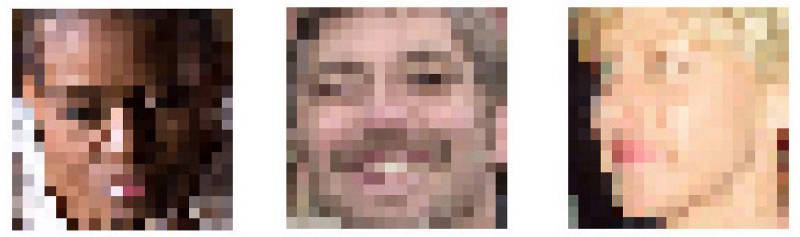
Pixelated celebrity faces used as an example face recognition task

Can you recognise these celebrities? You might be a super-recogniser.

What it is

A test of face recognition ability

The UNSW Face Test is an interactive research tool developed by the UNSW Forensic Cognition Group.

It measures how accurately people learn, recognise, and compare faces. The test is designed to reveal individual differences that are not always obvious in everyday life.

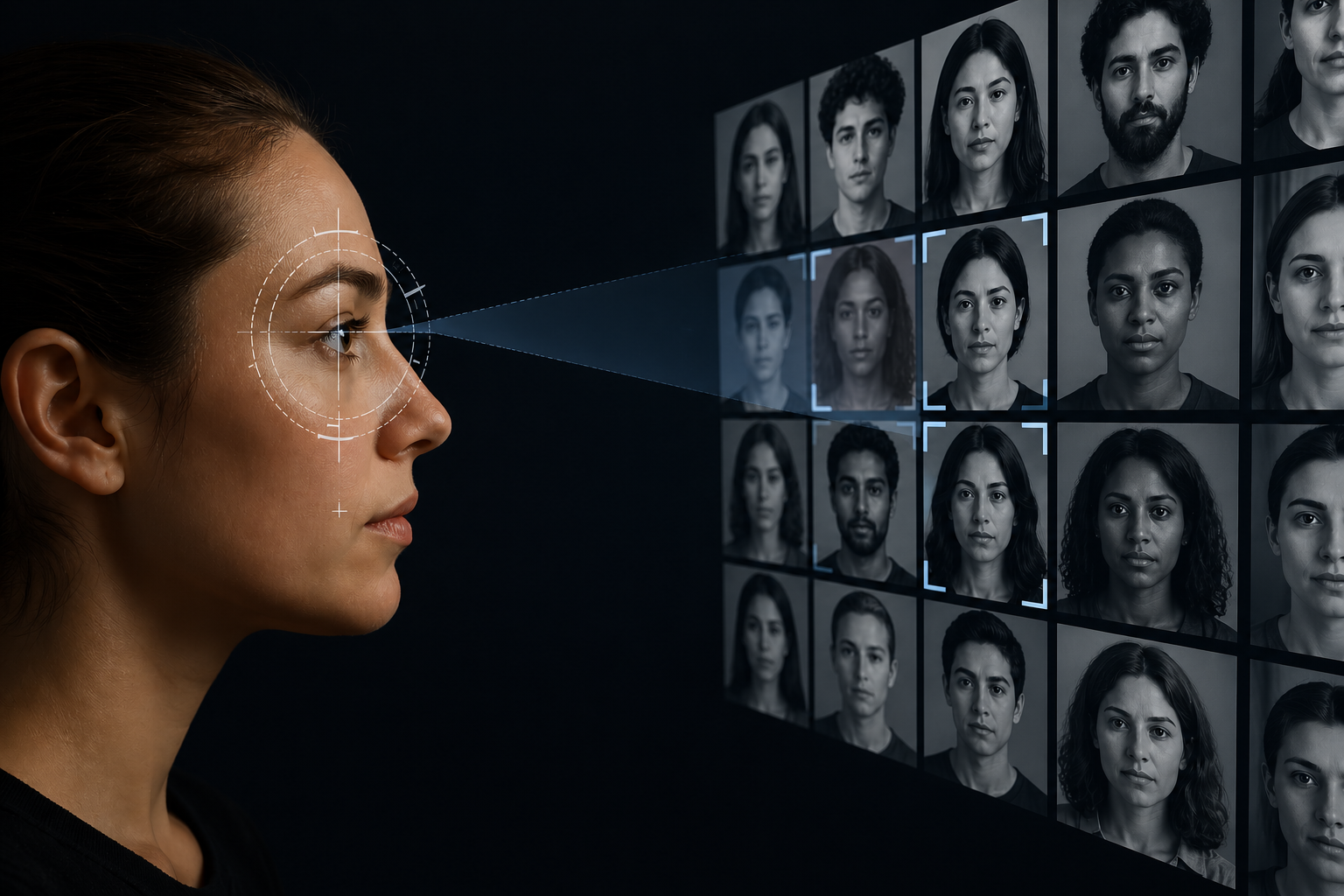
Person viewing a wall of face images as part of a face recognition task

Test format

How the test works

You will be shown faces and asked to recognise them later in different images. The task is designed to be challenging: faces may appear across different photographs, expressions, or viewing conditions.

This format helps researchers measure face recognition ability beyond simple familiarity or confidence.

Your score helps show where your performance sits compared with other people who have completed the test.

Find out more

The recognition spectrum

High ability

Super-recognisers

Most people are good at recognising familiar faces. Some may even identify the pixelated faces above: Michelle Obama, George Clooney, and Ellen DeGeneres.

Matching unfamiliar faces can be surprisingly difficult, even when conditions are good. This matters in real-world settings, such as matching a traveller to a passport or a CCTV image to a police mugshot.

A small minority of people show exceptional ability for both familiar and unfamiliar faces. These individuals are known as super-recognisers.
Read more about super-recognisers in The Conversation β†’

Low ability

Prosopagnosia

Prosopagnosia, also known as face blindness, is a cognitive condition where the ability to recognise familiar faces, including one’s own face, is impaired.

Common experiences include difficulty recognising familiar people, trouble following plots in films or TV, and relying on cues such as voice, clothing, or hairstyle.

There are two main types: acquired prosopagnosia, caused by brain damage, and congenital prosopagnosia, which is present from birth.

AI Faces

Can you spot AI faces?

AI-generated faces are now highly realistic. Many people struggle to distinguish them from real faces, even when they feel confident.

Try the AI faces demo to see how accurately you can tell real faces from synthetic ones.

UNSW AI Face Demo graphic showing a real face and an AI-generated face comparison

Research participation

Join the registry

If you would like to take part in future face recognition research studies conducted by the UNSW Forensic Cognition Group, you can join our research registry.

We will contact you from time to time when studies are available. Some can be completed online, while others may involve visiting our lab in Sydney.

Science

Research links

The UNSW Face Test supports research into individual differences in face recognition, including superior face recognition and face recognition difficulties.

Ready?

Test your face recognition ability

The test is free, research-based, and designed to reveal differences that everyday confidence can hide.